
Understanding the Appeal of Gambling
The allure of casino gambling is a captivating blend of excitement, social interaction, and the enticing possibility of financial gain. Many individuals find themselves irresistibly drawn to casinos, spaces meticulously crafted to create vibrant atmospheres that heighten emotions and stimulate the senses. The bright lights, engaging sounds, and constant buzz of activity work in concert to captivate players, especially those who enjoy platforms like 1win that offer a variety of gaming options. This immersive sensory experience can lead to what is known as the “gambler’s fallacy,” a cognitive distortion where gamblers believe that past outcomes will influence future results. This belief encourages players to continue betting in the hope of winning, even when logic suggests otherwise.
Moreover, the thrill of uncertainty plays a significant role in attracting people to casinos. The unpredictability of games such as slots, poker, or roulette generates an adrenaline rush that can become addictive. The excitement of potentially hitting a jackpot or experiencing a winning streak creates euphoric feelings that reinforce gambling behavior. This release of dopamine—often referred to as the “feel-good” neurotransmitter—strengthens the desire to return for additional gambling experiences. The perception of control, whether real or imagined, also plays a pivotal role in enticing players to engage in gambling, as they may believe that skill or strategy can influence the outcomes of games based on chance.
In addition to these psychological factors, social dynamics contribute significantly to gambling habits. Casinos often function as social hubs where individuals gather to connect with friends or meet new acquaintances. The communal aspects of gambling, such as cheering for a winning hand or sharing stories of significant wins, enhance the overall experience. This social reinforcement can make gambling appear more acceptable and even enjoyable, further embedding these habits into players’ routines. By understanding the multifaceted appeals of gambling, we can gain deeper insights into why many individuals embrace the risks associated with this form of entertainment.
The Role of Cognitive Biases
Cognitive biases play a critical role in shaping gambling behavior, often leading individuals to make irrational decisions based on flawed reasoning. One prevalent bias is “confirmation bias,” where gamblers focus on experiences that confirm their beliefs while ignoring contradictory evidence. For instance, a player convinced they are on a winning streak may overlook their losses, believing that their luck will eventually change. This mindset can lead to a dangerous cycle of chasing losses, where individuals continue to gamble in an attempt to recover lost money, often resulting in further financial distress.
The “illusion of control” is another significant cognitive bias that is common among gamblers. This belief suggests that individuals can influence the outcomes of games of chance through their skill or strategy. For example, a poker player may feel that their ability to read opponents gives them an edge, while slot machine players might believe that their betting patterns can alter the machine’s outcomes. Such perceptions can encourage further gambling participation, as players cling to the misconception that their actions can lead to success, despite the inherent randomness of these games.
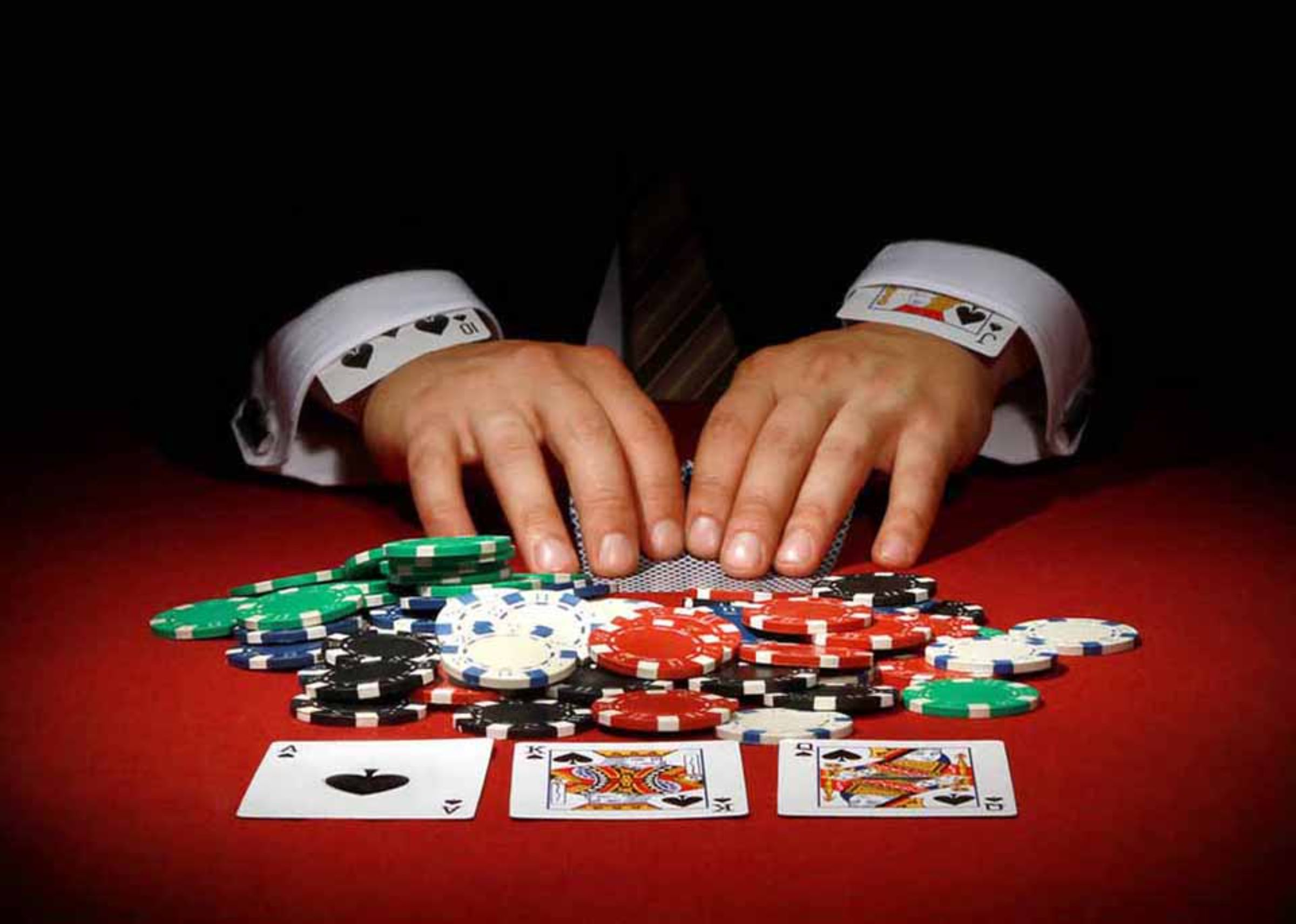
Furthermore, the concept of “loss aversion” greatly influences gambling habits. Research indicates that people tend to prefer avoiding losses over acquiring equivalent gains. This inclination can drive individuals to gamble more aggressively when facing financial losses, as they believe they can turn their luck around. This behavior often leads to escalating bets in hopes of recovering what was lost, perpetuating a cycle of financial strain and emotional distress. Recognizing these cognitive biases sheds light on the psychological mechanisms underpinning gambling behaviors, providing a clearer understanding of why some individuals may develop gambling addictions while others do not.
The Influence of Environment and Marketing
The environment in which gambling occurs can significantly shape players’ behaviors and decisions. Casinos are meticulously crafted to create an enticing atmosphere that promotes prolonged engagement. Features such as comfortable seating, complimentary drinks, and a deliberate absence of clocks or windows contribute to an environment where players can lose track of time and money spent. The strategic placement of high-stakes games alongside lower-stakes options also encourages players to gradually increase their bets, further drawing them into the gaming experience. This manipulation of the gambling environment is crucial in keeping players engaged longer than they initially intended.
Moreover, the marketing strategies employed by casinos leverage psychological triggers to attract and retain customers effectively. Promotions like “welcome bonuses” or “free spins” create immediate incentives for new players, enticing them to try their luck. Additionally, loyalty programs designed to reward frequent visitors cultivate a sense of belonging and encourage repeat visits. These marketing tactics are not merely intended to lure new players; they aim to establish a community of loyal customers who associate their gambling experiences with positive social interactions and excitement.
The rise of online gambling platforms has further transformed the gambling landscape, making it easier than ever for individuals to access games at their convenience. With mobile apps and online casinos, players can engage in gambling behaviors anytime and anywhere, often without the social constraints of traditional establishments. This shift has led to increased rates of gambling addiction, as individuals find themselves betting more frequently and impulsively in the comfort of their homes. Understanding the environmental and marketing factors at play is essential for mitigating the risks associated with gambling and promoting responsible gaming practices.
The Impact of Psychological Factors
Psycho-social factors are integral in shaping gambling behaviors, encompassing personality traits and underlying mental health conditions. Individuals with impulsive tendencies may be more susceptible to gambling, as they often act without considering the consequences of their actions. For these individuals, the immediate gratification derived from wins or the thrill of risk-taking can overshadow any potential long-term ramifications. Understanding the influence of these personality traits provides insight into why some people develop problematic gambling habits while others manage to gamble responsibly.

Additionally, mental health issues such as anxiety, depression, or substance abuse can exacerbate gambling behaviors. Many individuals may resort to gambling as a coping mechanism to escape feelings of negativity or stress. This creates a vicious cycle where gambling offers temporary relief but ultimately leads to heightened emotional distress and financial hardship. Addressing mental health issues is critical in formulating effective strategies to combat gambling addiction and promoting healthier coping mechanisms.
Furthermore, societal and cultural influences markedly shape individuals’ attitudes toward gambling. In certain cultures, gambling may be perceived as a normal and celebratory activity, while in others, it may carry a stigma. This societal perspective can significantly impact an individual’s likelihood to engage in gambling and how they perceive their behaviors. Understanding these psychological factors is crucial for developing comprehensive approaches to gambling prevention and treatment, ensuring that strategies are tailored to diverse cultural contexts and individual needs.
Exploring Resources for Gamblers
As our understanding of gambling psychology continues to expand, numerous resources have emerged to support individuals grappling with gambling habits. Organizations dedicated to gambling addiction offer counseling, support groups, and educational materials designed to raise awareness about the risks associated with gambling. These resources are invaluable for individuals who may not recognize the profound impact gambling has on their lives and can assist them in developing healthier habits that promote well-being.
Online forums and communities have also become significant support networks, allowing individuals to share their experiences and strategies for overcoming gambling challenges. These platforms foster a sense of camaraderie among users, creating a supportive environment where participants can uplift each other and exchange valuable insights. Access to such resources is crucial for anyone seeking to understand or change their gambling behavior, as they provide a sense of connection and understanding that can be immensely beneficial.
Furthermore, websites dedicated to educating the public about gambling—its risks, psychological implications, and available help—are essential for both individuals struggling with gambling habits and their loved ones. Raising awareness about the psychological aspects of gambling can cultivate a more informed and empathetic approach to gambling-related issues. This ongoing education and support can be instrumental in breaking the cycle of addiction, fostering positive change in the lives of those affected by gambling, and facilitating a healthier relationship with gaming in the long run.